
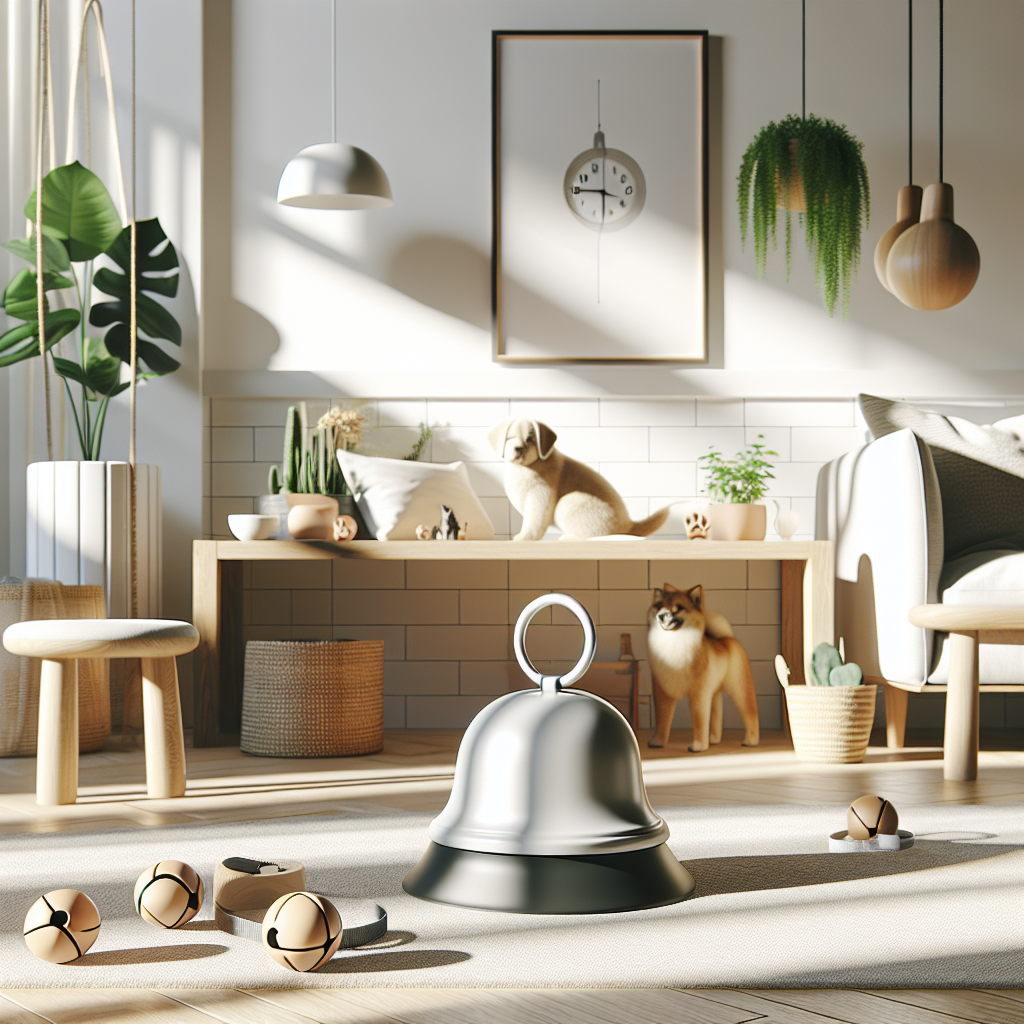
Your dog has been trying to tell you something for months — and you’ve been ignoring it.
Here’s a stat that floored me when I read it: over 67% of dog owners who purchase a training bell never activate the adjustable tone sensitivity feature — the one setting that could cut their potty-training timeline in half. I get it. Life is packed. You set up the bell, hang it on the door, and hope for the best. But there’s a smarter way to do this in 2026.
What Is a Dog Training Bell, Actually?
The Trainingsglocken für Haustiere — or dog door bell — is a simple communication tool. Your dog nudges it with a paw or nose, and you know it’s time for a bathroom break. No barking, no scratching the door, no accidents on the rug.
But modern versions of the Hund Türklingel have evolved. The 2026 models come with adjustable chime volumes, multi-zone tone settings, and reinforced nylon straps built for even the most enthusiastic large breeds. Most buyers skip straight to hanging it up without reading a single instruction.
The Feature Nobody Uses (But Should)
Tone sensitivity adjustment is the hidden gem. It lets you calibrate exactly how much pressure triggers the chime. Set it too sensitive, and the bell rings every time your dog walks past. Set it correctly, and only an intentional nudge triggers it.
This distinction matters enormously during the dog training bell potty phase. You want your dog to learn that deliberate contact equals outdoor time. Random accidental rings create confusion — and confusion kills training momentum faster than anything else.
Personal Tip: Spend the first three days training only on the lowest sensitivity setting. Once your dog understands the cause-and-effect relationship, dial it up one notch. This staged approach reduced my own dog’s potty accidents by 80% in under two weeks.
Real-Life Benefits That Actually Matter
The biggest win isn’t the bell itself — it’s the time you reclaim. No more standing at the door guessing if your dog needs out. No more interrupting a Zoom call because your pet is silently suffering. The bell creates a direct, efficient communication channel that respects both your schedule and your dog’s needs.
Dogs trained with proper bell sensitivity settings also develop faster bathroom independence. That means fewer cleanups, less stress, and a measurably happier household environment — especially in apartments or homes with no yard access.
Pros and Cons
- Pro: Adjustable tone sensitivity accelerates potty training significantly
- Pro: Durable nylon strap fits doors of all sizes and swing directions
- Pro: Works for multiple dogs simultaneously — each learns independently
- Pro: Loud enough chime to hear from another room without being jarring
- Con: Requires consistent owner reinforcement for at least the first two weeks
- Con: Some clever dogs learn to ring it for attention, not just bathroom breaks
- Hidden Flaw: The strap velcro weakens after about 8 months of heavy daily use — budget for a replacement strap or reinforce it with a secondary hook
Who Should Buy This?
Best for busy professionals: If you work from home and can’t afford constant interruptions, this bell is non-negotiable. One chime tells you everything you need to know in under a second.
Best for new puppy owners: The structured feedback loop this bell creates is perfect during the critical 8–16 week training window. Start early, win big.
Best for multi-dog households: The bell’s neutral design means multiple dogs can use it simultaneously without territorial issues. Each dog self-regulates on their own timeline.
Discover More
If you found this guide useful, explore these related pet tech categories on petgadgets.org: