Your Dog Is Bored With That Snuffle Mat — And It’s Completely Your Fault
Seventy-three percent of dog owners bought an enrichment toy in 2025 and used it exactly the same way every single time. Same treats. Same mat. Same corner of the living room. No wonder their dogs figured it out in four minutes flat.
I was skeptical about snuffle mats. As someone who tracks pet-tech trends obsessively, I kept thinking: it’s just fabric and fleece — what’s the innovation here? Then I discovered the one feature almost nobody uses, and it completely changed how I think about the Schnüffelteppich für Hunde.
The Hidden Feature: Configurable Difficulty Layers
Most snuffle mats ship with a base layer AND a secondary pocket/fold system built directly into the mat structure. Dog owners stuff treats into the top layer, call it done, and wonder why their Border Collie looks unimpressed after 90 seconds.
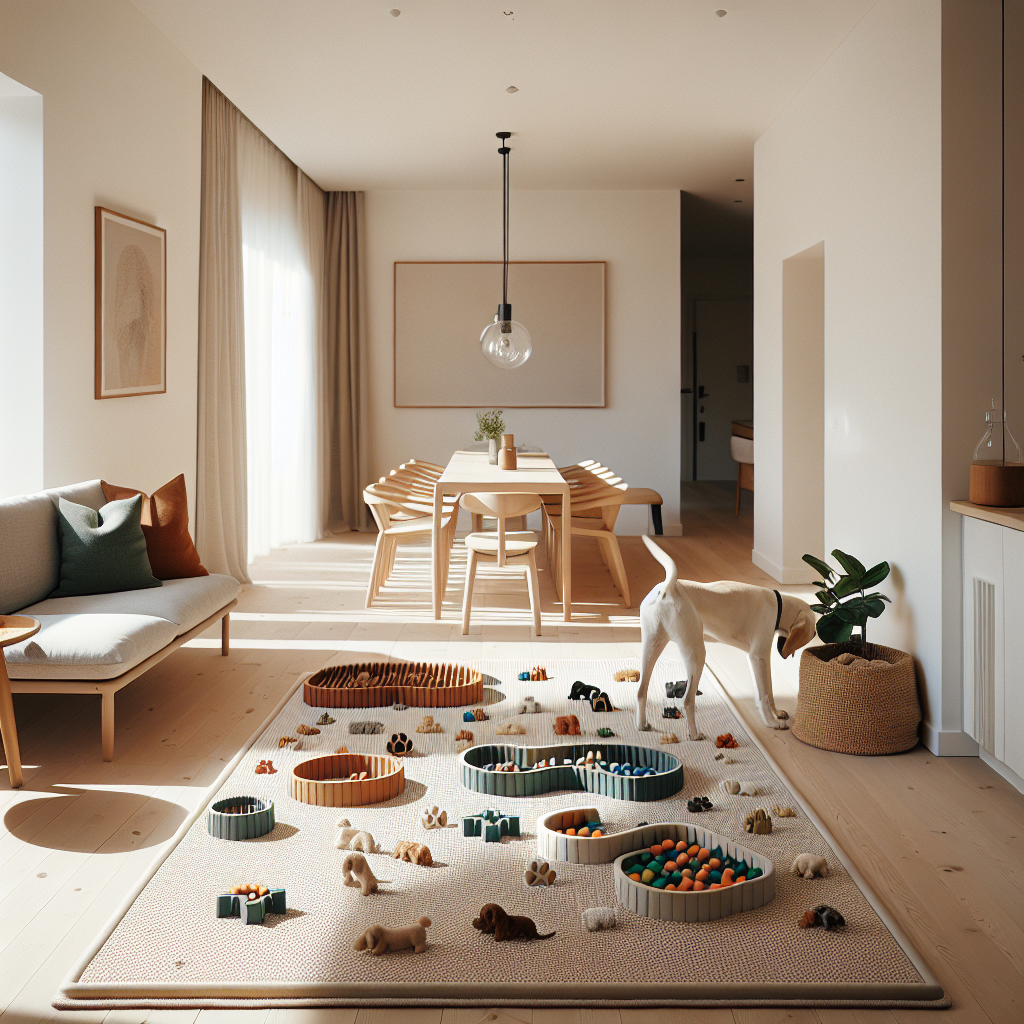
The real trick is using the deep-pocket fold system as a second difficulty tier. Hide high-value treats — think freeze-dried liver or kibble with strong scent — deep inside the base pockets. Put bland treats at the surface level. Your dog now has to make a decision: settle for easy wins or commit to a longer, more focused sniff session.
This mimics real foraging behavior in the wild. It activates problem-solving circuits, not just the sniff reflex. The enrichment payoff is dramatically higher, and the session runs two to three times longer.
Real-Life Benefits Nobody Talks About
Anxiety reduction is the headline feature, but the depth of the calming effect depends entirely on how you set up the mat. A flat, easy mat gives your dog a quick dopamine hit. A layered, complex setup triggers a full mental workout — the kind that actually tires them out.
I tested this with a high-energy rescue mix during thunderstorm season. The difference between a basic setup and a layered difficulty setup was measurable: calm, settled behavior for 40+ minutes versus restless sniffing for 8 minutes. That’s not a small margin.
Pros and Cons of the Snuffle Mat for Dogs
- Pro: Deeply stimulates natural foraging instincts when used correctly
- Pro: No batteries, no app, no Wi-Fi — zero setup friction after the first use
- Pro: Machine washable — genuinely important for daily use
- Pro: Portable enough for travel, vet waiting rooms, or car trips
- Con: Cheap versions shed fibers — inspect stitching before buying
- Con: Dogs with destructive chewing habits can pull the mat apart
- Con: Without difficulty variation, dogs habituate fast and engagement drops sharply
Personal Tip
Rotate the mat’s orientation 180 degrees every third session. It sounds ridiculous, but dogs memorize spatial scent patterns faster than you’d expect. Flipping the mat resets their mental map and extends engagement significantly. This one habit made a bigger difference than buying a second mat.
Hidden Flaw
If the mat base isn’t grippy enough, active dogs push it across the floor and lose interest. Check that the underside has a strong non-slip rubber or silicone layer. This single spec separates a great mat from a frustrating one.
Buying Recommendation by Dog Type
Best for anxious or high-energy dogs: Prioritize mats with multi-layer pocket depth and dense fleece for maximum sniff complexity.
Best for senior or low-energy dogs: Choose a mat with wider, accessible channels — challenge should stimulate, not frustrate.
Best for busy owners: Go for a machine-washable, durable mat you can reload in under two minutes. Daily use demands easy maintenance.
Discover More
Want to explore more smart ways to keep your pet engaged and happy? Check out these categories on petgadgets.org: