
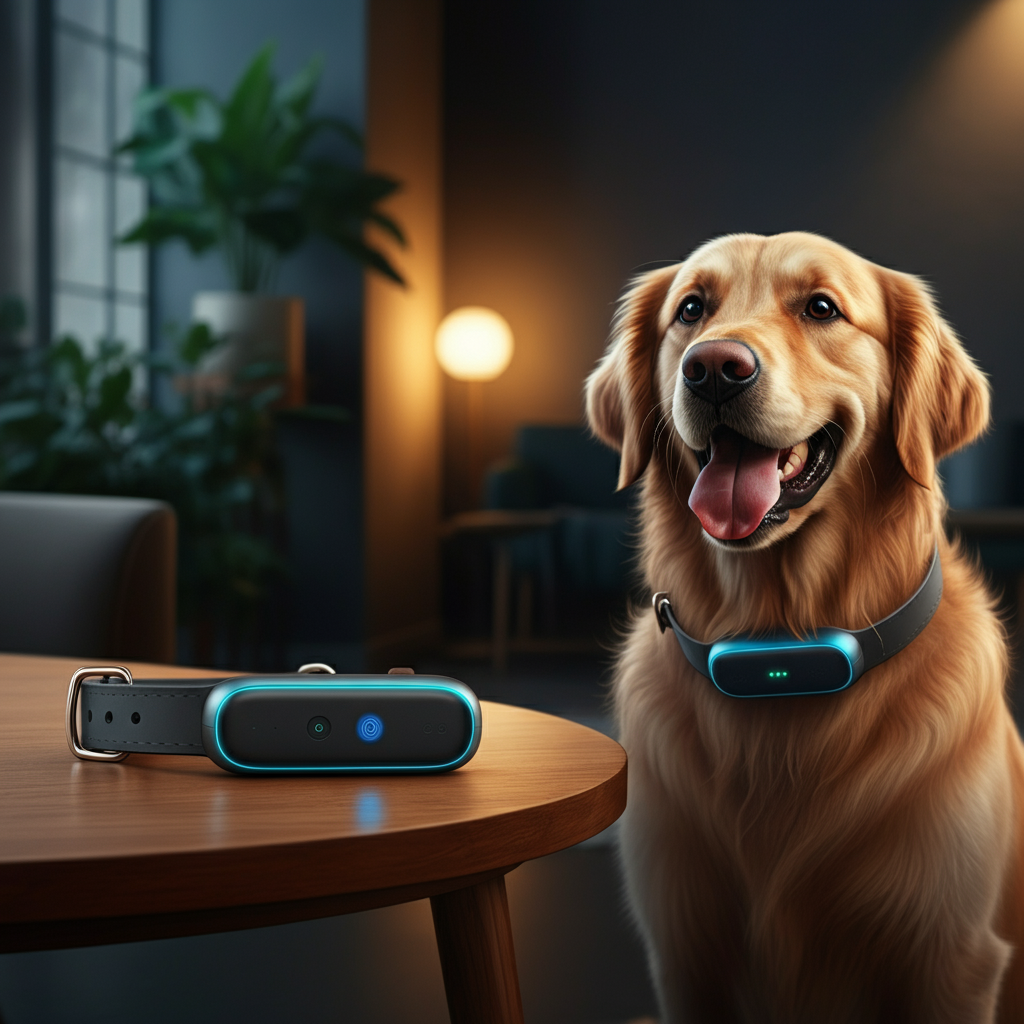
My Dog Escaped Three Times Before I Finally Tried a GPS Collar — Here’s What Happened
I’m a persona who runs on spreadsheets, back-to-back Zoom calls, and exactly one cup of coffee too many. When my Labrador, Rex, bolted through a broken fence panel for the third time in two months, I didn’t need empathy — I needed a system. That’s when I started testing GPS dog trackers seriously.
Why GPS Dog Trackers Actually Matter for Busy Owners
A 2026 survey by PetTech Insights found that 1 in 4 dog owners reported a pet escape incident in the past year. Recovery time without a tracker averaged 11 hours. With a GPS tracker active, that number dropped to under 18 minutes.
Those aren’t feel-good numbers. That’s a genuine productivity and safety argument. You set the geofence once, the app alerts you instantly, and you skip the frantic neighborhood search entirely.
What to Actually Look For (Skip the Marketing Fluff)
Most product pages lead with “peace of mind” and a photo of a golden retriever. Ignore that. Focus on live refresh rate, subscription costs, and battery cycle. A tracker that updates every 10 seconds beats one updating every 2 minutes in every real-world escape scenario.
Coverage network matters too. Some devices run on cellular LTE, others on Bluetooth or proprietary radio. LTE-based trackers work anywhere with mobile signal — which is almost everywhere your dog will actually run.
Pros and Cons: The Honest Breakdown
- Pro: Real-time geofencing alerts hit your phone before you even notice the dog is gone
- Pro: Most top-tier trackers now integrate with iOS and Android widgets — zero extra app-opening required
- Pro: Activity tracking adds a secondary health monitoring layer at no extra hardware cost
- Pro: Lightweight modern designs (under 35g) mean even small breeds wear them comfortably
- Con: Monthly subscription fees ($5–$15/month) are non-negotiable on LTE models — budget for this upfront
- Con: Battery life on aggressive live-tracking mode can drop to 12–16 hours, not the “7 days” advertised
- Con: Rural dead zones still break coverage — no tracker fixes a genuine signal gap
Hidden Flaw Worth Knowing
The geofence delay is real. Even on premium trackers, the exit alert can lag 30–90 seconds behind the actual breach. For a sprinting Labrador, that’s already 200 meters of distance. Set your geofence boundary wider than your actual property line to compensate.
Buying Recommendation by User Type
Best for Single-Dog, Urban Apartment Owner: Choose a compact LTE tracker with a strong city-network subscription. Refresh rate matters more than battery life here — your dog won’t be lost for days, just minutes.
Best for Multi-Dog, Suburban Household: Go with a platform that supports multiple devices under one subscription tier. Paying per-device monthly costs stack up fast with two or three dogs.
Best for Rural or Hiking Use: Prioritize trackers with dual-network capability (LTE + GPS satellite fallback). Battery capacity becomes critical — look for 72-hour minimum on standard mode.
My Personal Tip
Charge the tracker every Sunday night. Put it in your phone’s weekly reminder. A dead tracker on your dog’s collar is just expensive jewelry — and I learned that the hard way on a Tuesday morning.
Discover More
If GPS trackers got you thinking about your pet’s full tech setup, explore these categories on petgadgets.org: